In most recent years, within [Cleveland Clinic], we have seen much greater uptake of SGLT2 inhibitors as well as GLP-1 receptor agonists, specifically in people with CKD and CVD, Pantalone said
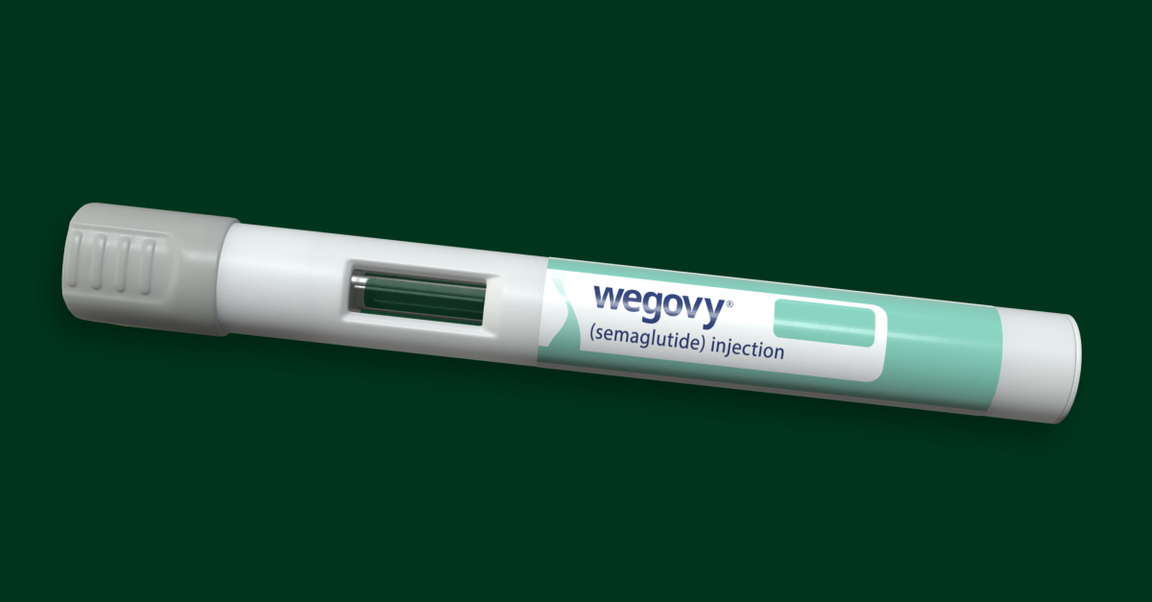
For semaglutide specifically, healthcare professionals should prescribe by brand name to avoid confusion between the oral and injectable formulations

Gastrointestinal Very common (10% or more): Gastrointestinal adverse reactions (up to 73%), nausea (up to 44%), vomiting (up to 36%), diarrhea (up to 30%), constipation (up to 24.2%), abdominal pain (up to 20%) Common (1% to 10%): Dyspepsia, abdominal distension, eructation, flatulence, gastroenteritis, gastroesophageal reflux disease, gastritis, viral gastroenteritis, increased amylase, increased lipase, dry mouth, severe gastrointestinal adverse reactions, delayed gastric emptying Uncommon (0.1% to 1%): Acute pancreatitis, appendicitis Frequency not reported : Hemorrhoids, hiccups Postmarketing reports : Ileus, intestinal obstruction, severe constipation, hiccups, acute pancreatitis, necrotizing pancreatitis In clinical trials in adults using the subcutaneous injection for weight reduction, 73% of treated patients reported gastrointestinal adverse reactions, including severe reactions (4.1%)
Steady absorption without food restrictions