The combination of better sleep, improved body composition, enhanced recovery, and hormonal optimization creates a compounding effect on subjective quality of life
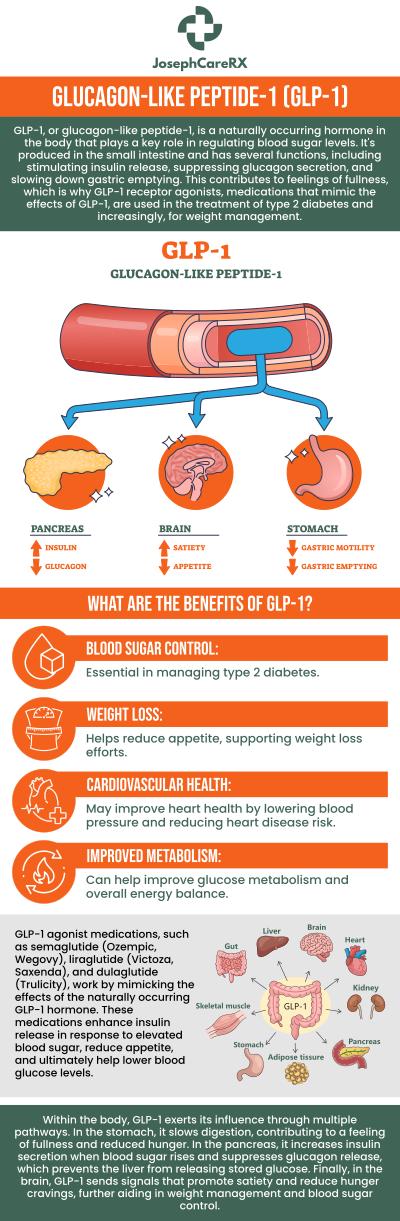
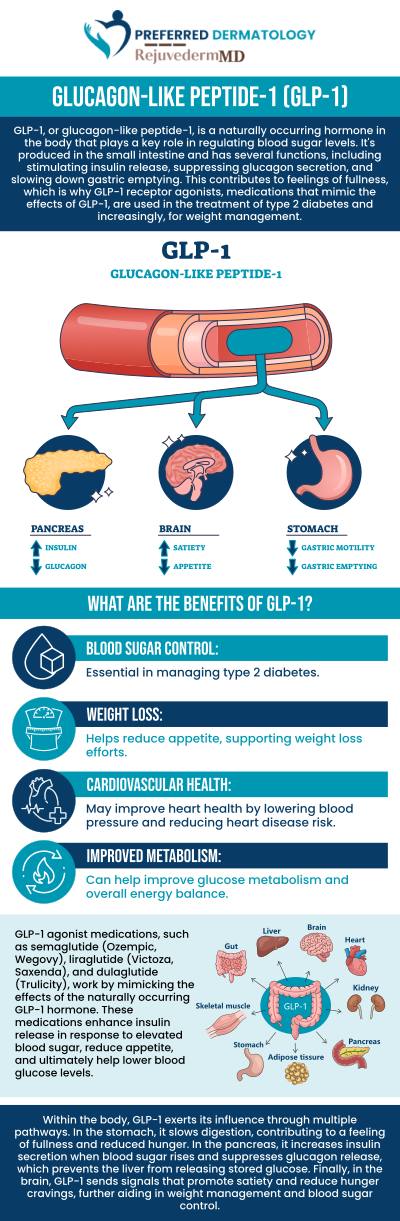
Metabolic indicators that may be associated with reduced GLP-1 activity include: Persistent elevated blood glucose levels , particularly postprandial (after-meal) hyperglycaemia Difficulty achieving or maintaining a healthy weight despite dietary efforts Increased appetite and reduced satiety after meals, leading to frequent snacking Diagnosis of type 2 diabetes or non-diabetic hyperglycaemia (NDH, sometimes called prediabetes), conditions where GLP-1 response is often blunted Features of metabolic syndrome , including central obesity, hypertension, and dyslipidaemia Individuals may also notice practical symptoms such as feeling hungry shortly after eating substantial meals, experiencing energy crashes following carbohydrate-rich foods, or finding portion control particularly challenging
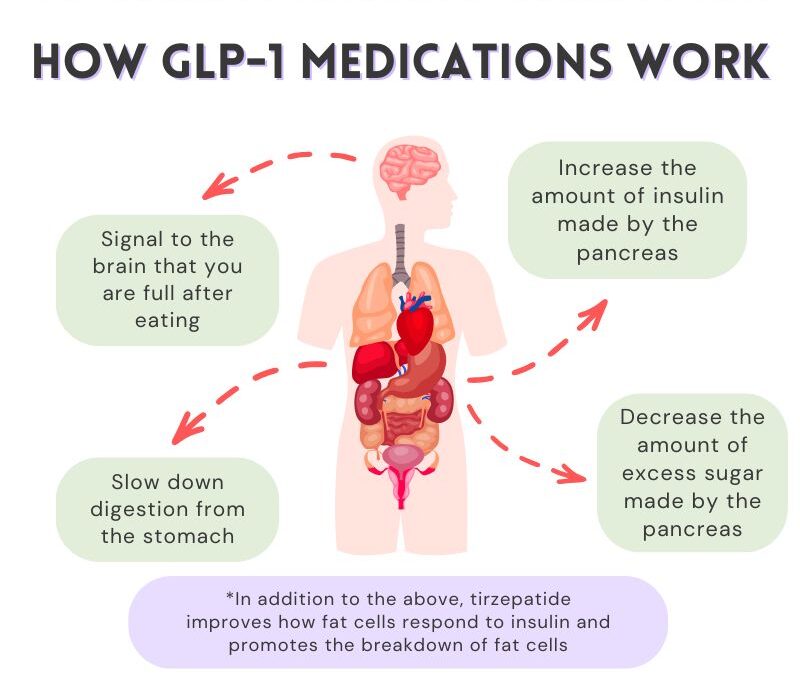
Comparison with Other Medications in the Same Class Semaglutide belongs to a class of drugs known as GLP-1 receptor agonists
Adding a palmitoyl group improves its compatibility with topical formulations