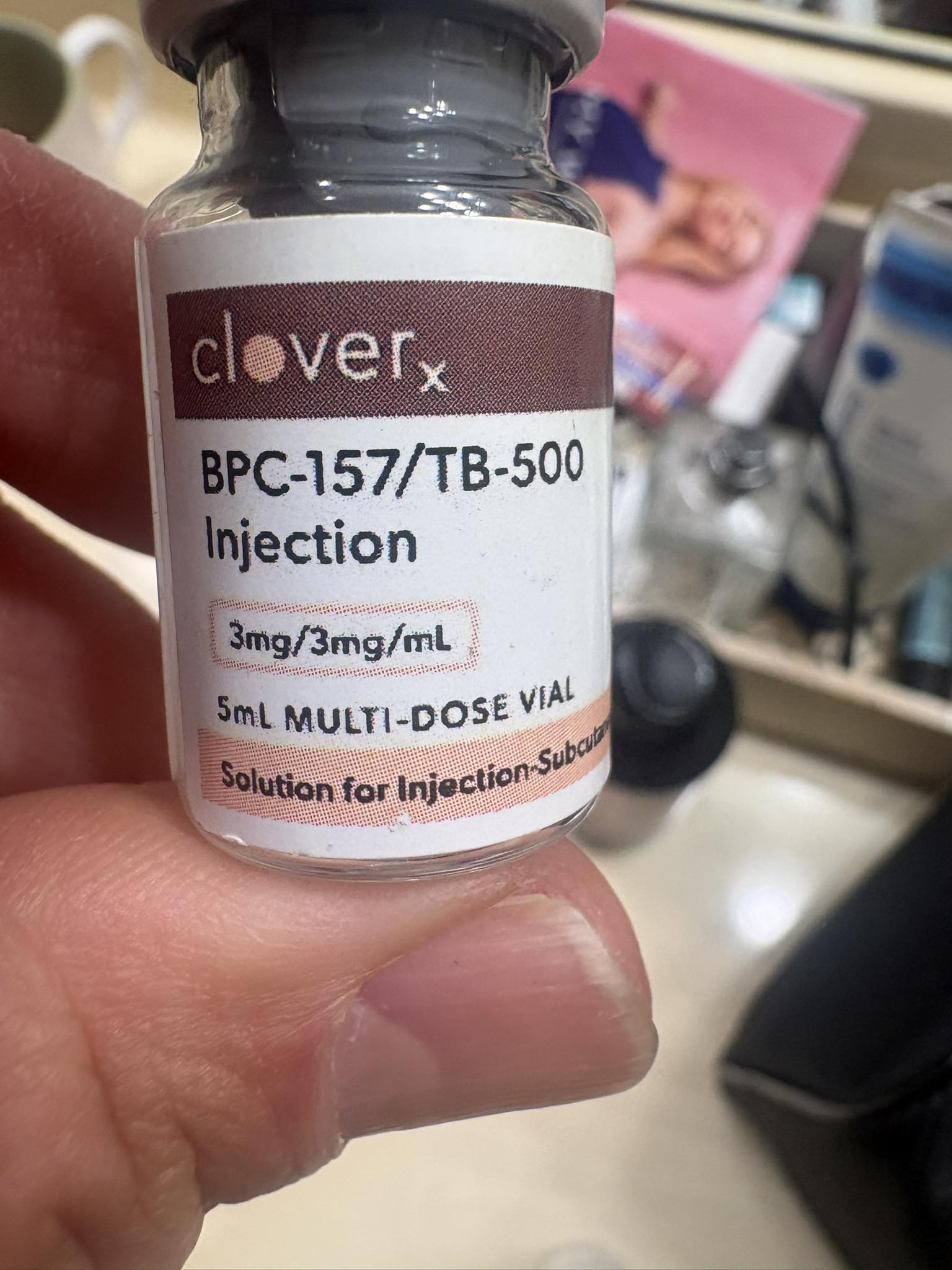
Participants in a study, or even researchers themselves, generally prefer a pill or capsule over an injection

Red flag symptoms requiring urgent assessment: Severe, persistent vomiting Inability to tolerate oral intake for more than 24 hours, suggesting possible gastroparesis or other complications Signs of dehydration Decreased urine output, dizziness, dry mucous membranes, or tachycardia Severe abdominal pain Particularly if acute, localized, or associated with fever, which may indicate pancreatitis or other acute abdominal pathology Right upper quadrant pain, fever, or jaundice Suggesting possible gallbladder disease Severe abdominal distension with inability to pass stool or gas Potential bowel obstruction or ileus Hematemesis or melena Suggesting gastrointestinal bleeding Progressive dysphagia Difficulty swallowing that worsens over time Situations requiring routine consultation: Patients should contact their healthcare provider for non-urgent evaluation when experiencing persistent nausea or vomiting lasting beyond 2-3 weeks at a stable dose, as this may indicate inadequate adaptation or the need for dose adjustment

Cancer related mutations in NRF2 impair its recognition by Keap1-Cul3 E3 ligase and promote malignancy
EPR spectra of GHK-Cu typically display axial symmetry with g 2.20 and A 190 10 cm, consistent with square-planar or elongated octahedral geometry